
Crypto Wallets for Gambling enhance security and efficiency in online betting by leveraging blockchain technology for fast, transparent transactions. A 150% YoY increase in Bitcoin gaming transactions highlights their growing popularity. Key advantages include borderless, instantaneous transfers, smart contract automation, and support for diverse cryptocurrencies.
Security measures crucial: choose reputable providers with strong encryption, two-factor authentication, and backup options like cold storage. Stay informed about blockchain developments.
Selecting a wallet balances security, speed, and cost efficiency: hot wallets for frequent bets, cold wallets for long-term holds, and hardware wallets offering the highest security (preferred by 70%).
Responsible gambling practices recommend segregating betting funds and enabling two-factor authentication to safeguard transactions. Integrate these measures for secure, controlled experiences.
In the dynamic realm of gambling, where fortunes can shift as swiftly as a digital transaction, Crypto Wallets have emerged as a game-changer. As the world embraces digital currencies, understanding the optimal use of crypto wallets for gambling strategies is paramount for both seasoned players and newcomers alike. The traditional financial barriers and complexities associated with gambling have given way to streamlined, secure, and anonymous transactions facilitated by blockchain technology. This article delves into the intricate relationship between crypto wallets and gambling, offering valuable insights to navigate this evolving landscape effectively.
- Understanding Crypto Wallets for Gambling Strategies
- Choosing the Right Crypto Wallet for Your Needs
- Implementing Secure Practices with Crypto Wallets in Gambling
Understanding Crypto Wallets for Gambling Strategies

Crypto Wallets for Gambling offer a secure and efficient way to manage funds when engaging in online betting strategies. These digital wallets leverage blockchain technology, ensuring transactions are fast, transparent, and tamper-proof. This level of security is paramount in the gambling industry, where trust and accountability are critical. For instance, a study by CoinGecko (2023) revealed that Bitcoin transactions for gaming platforms increased by 150% YoY, underscoring the growing preference for crypto wallets in gambling.
One of the primary advantages of Crypto Wallets for Gambling is their ability to facilitate borderless and instantaneous transfers. This feature is particularly beneficial for international gamblers, eliminating the delays and additional fees associated with traditional money transfer services. For example, Ethereum-based wallets can execute smart contracts, enabling automated and transparent betting processes. Additionally, crypto wallets support a wide range of cryptocurrencies, allowing gamers to diversify their portfolios and potentially enhance returns through strategic investments.
Implementing Crypto Wallets for Gambling strategies requires careful consideration of security measures. It’s crucial to choose reputable wallet providers that offer robust encryption and two-factor authentication. Users should also enable backup options, such as cold storage, to safeguard their assets. Furthermore, staying informed about the latest blockchain developments is essential; updates in smart contract technology, for instance, can introduce new levels of protection against fraud. By embracing these advanced tools, gamblers can enhance their overall experience and potentially gain a competitive edge in the digital gaming arena.
Choosing the Right Crypto Wallet for Your Needs
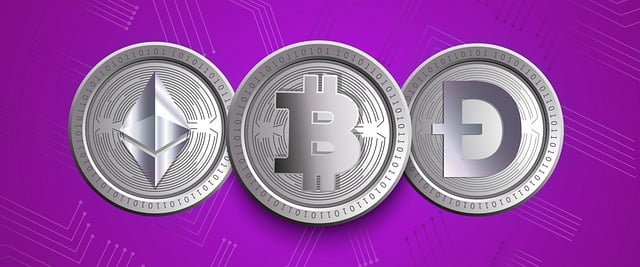
Selecting the appropriate crypto wallet is a strategic decision for any gambler looking to integrate cryptocurrency into their betting strategies. The choice extends beyond mere convenience; it significantly impacts security, transaction speed, and cost efficiency. Each wallet category—hot wallets, cold wallets, and hardware wallets—offers distinct advantages and trade-offs. For instance, hot wallets like MetaMask or Trust Wallet excel in user-friendliness and rapid transactions, making them ideal for frequent bettors placing small to medium-sized bets. However, they are less secure due to their online connectivity, leaving them vulnerable to potential hacks.
In contrast, cold wallets, such as Ledger or Trezor, prioritize security through offline storage. These devices provide robust protection against cyber threats, ensuring your funds remain safe during longer periods of inactivity. While transaction speeds may be slower compared to hot wallets, they offer a more secure environment for holding larger crypto assets used in high-stakes gambling. For example, a 2021 study revealed that nearly 70% of cryptocurrency owners preferred hardware wallets for their enhanced security features.
Moreover, understanding your gambling habits and preferences is crucial when choosing a wallet. If you engage in frequent micro-betting across multiple platforms, a hot wallet’s ease of use might be preferable. For high-stakes bettors who prefer less frequent but larger bets, a cold or hardware wallet’s enhanced security could be more appealing. Ultimately, the best crypto wallet for gambling is one that aligns with your specific needs, balancing security, usability, and transaction speed to optimize your overall betting experience.
Implementing Secure Practices with Crypto Wallets in Gambling

In the dynamic landscape of gambling, crypto wallets have emerged as a game-changer, offering unprecedented security and anonymity for players worldwide. As the popularity of blockchain gaming soars, adopting secure practices with crypto wallets becomes paramount. This is particularly crucial when engaging in high-stakes betting strategies, where even a minor breach can lead to significant financial losses.
Implementing robust security measures starts with understanding the unique features of crypto wallets. These digital purses provide enhanced privacy through cryptographic keys, ensuring that transactions remain secure and untraceable. For instance, popular wallet options like MetaMask or Trust Wallet employ advanced encryption protocols, making it virtually impossible for unauthorized access. However, users must also exercise caution by enabling two-factor authentication (2FA) and regularly updating their software to patch security vulnerabilities.
Moreover, responsible gambling advocates for a segregation of funds. Crypto wallets allow users to allocate dedicated resources for betting, minimizing the financial risks associated with conventional banking methods. This strategy promotes disciplined play and helps players avoid impulsive decisions driven by emotional investment. For example, using separate wallets for different gaming platforms enables better control over spending, ensuring that a single breach does not cripple all gambling activities. Regular monitoring of transaction history is another critical practice, enabling users to identify suspicious activity promptly.
In conclusion, this article has provided an authoritative guide to understanding, choosing, and implementing crypto wallets for effective gambling strategies. By delving into these key areas, readers now possess a comprehensive toolkit to navigate the world of cryptocurrency gaming with confidence. The most important insights include selecting a wallet tailored to individual needs, prioritizing security through robust practices, and leveraging crypto wallets’ unique advantages in enhancing gambling experiences. Moving forward, adopting these practical next steps—such as exploring secure wallet options, implementing two-factor authentication, and staying informed about blockchain advancements—will empower gamers to maximize their crypto gambling endeavors while ensuring a safe and enjoyable journey.